Wound Evaluation Services in Lexington, KY
Specialist Care for Wounds That Won't Heal


Get Your Wound Checked at the First Sign of a Problem
You clean the wound and change the bandage every day. Yet the wound still looks the same, or worse. A wound that shows no clear improvement after 2 weeks should be checked, and one that stays open for about a month or longer is generally considered chronic.
Watch for spreading redness, warmth, swelling, pus, a bad smell, or fever. These can be signs of infection, so get the wound checked promptly. At Rapid Recovery Wound Care, PLLC, our wound care specialist in Lexington finds what is slowing healing and starts your treatment plan.
Types of Wounds We Treat That Are Slow to Heal
Non-healing wound treatment and chronic wound care in Lexington, KY starts with a thorough wound assessment. If getting to a clinic is hard, you can skip the trip and stay home. Mohammed Athar, MD, is a wound care doctor who also offers house-call services for eligible homebound patients.
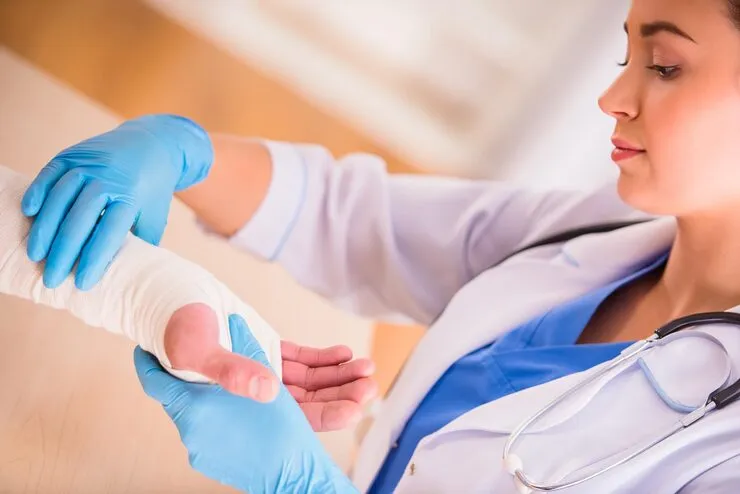
Pressure Wounds
Venous Wounds
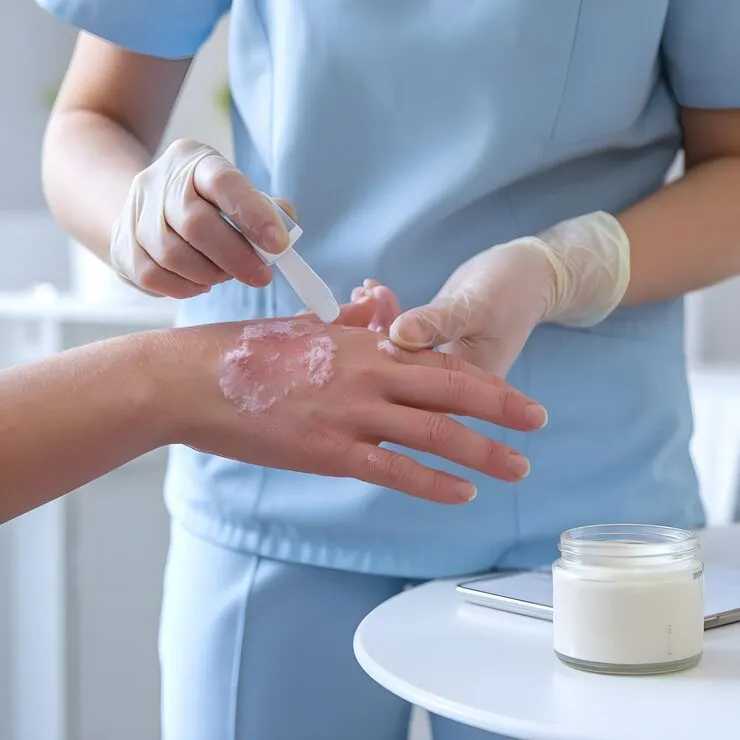
Arterial Wounds
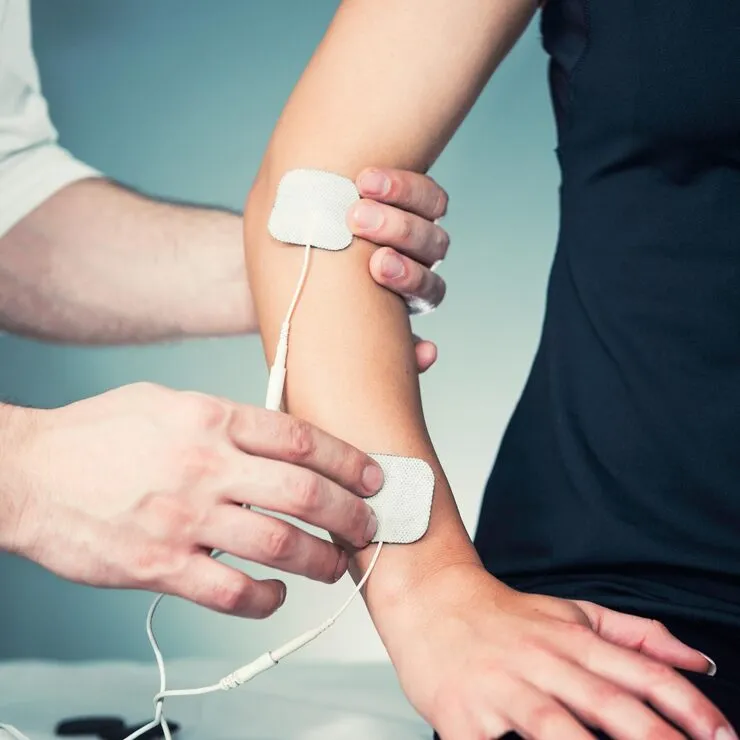
Diabetic Wounds
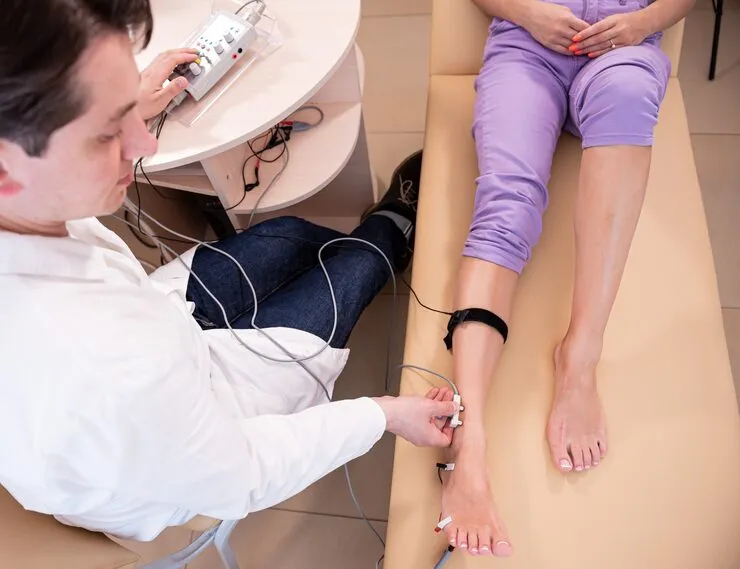
Traumatic Wounds
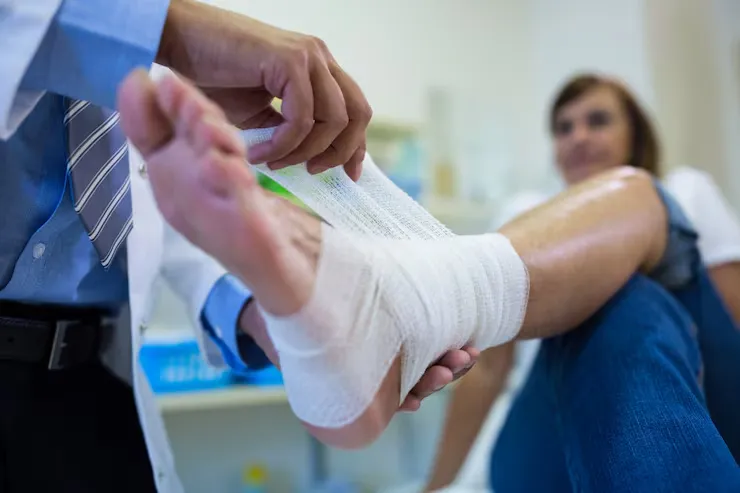
Surgical Wounds
What to Expect During Your Wound Care Visits
Dr. Athar looks beyond the wound’s surface to identify problems that may be delaying recovery. Our wound evaluation services in Lexington focus on assessing the wound and selecting the right treatment.
Examine the Wound
We check size, depth, drainage, surrounding skin, and factors that delay healing.
Choose the Right Treatment
Based on the findings, we select dressings, wound cleaning, or skin substitutes when needed.
Check Healing Progress
We measure your wound during follow-up visits and adjust treatment if healing slows.
Guide Your Home Care
We show you how to care for your wound at home, spot complications, and know when to contact us.
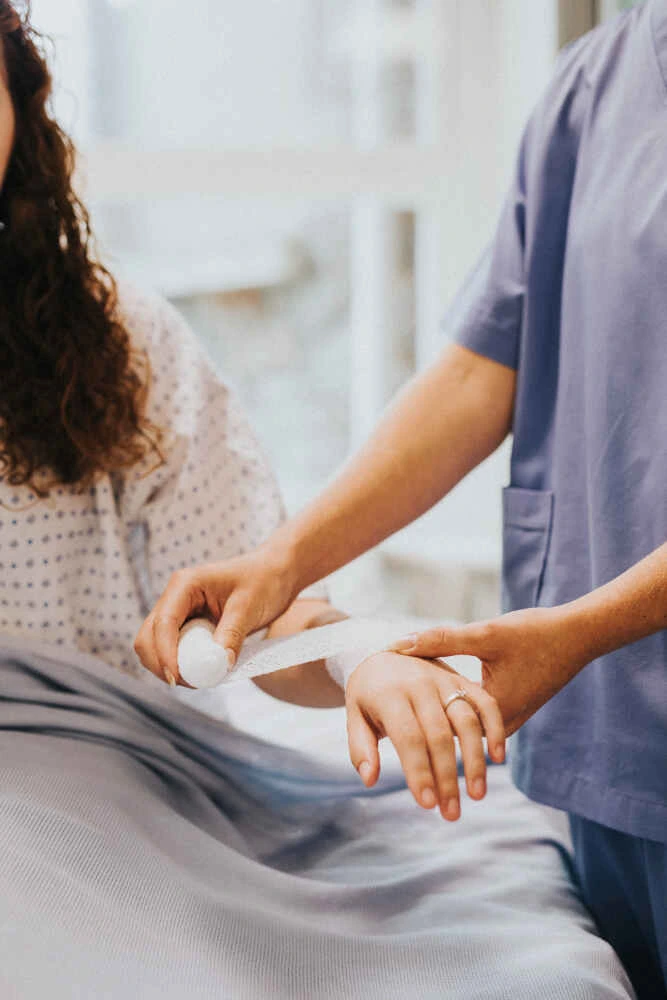
Find Out Why Your Wound Isn't Healing
Visit our wound care clinic in Lexington, or ask about in-home care. Call to start healing.
Frequently Asked Questions
What areas do you serve for wound evaluation?
Our Lexington clinic provides wound evaluation for patients from Nicholasville, Berea, Versailles, Paris, KY, and surrounding Central Kentucky communities. Eligible homebound patients within our service area can also be seen at home.
How long does it take for a wound to heal?
It depends on the wound’s size, depth, cause, and your overall health. Minor wounds often close in a few weeks. Chronic wounds can take months. If your wound has not improved in 2 weeks, get it checked. Early treatment can shorten healing time.
Does Medicare cover wound care?
Medicare often covers medically necessary wound care. Coverage depends on your plan and the type of wound. We accept several insurance plans. Call our office with your plan details to confirm coverage.
What are the signs of an infected wound?
Some redness and soreness in the first few days is normal. Signs of infection include spreading redness, worsening pain, and drainage that becomes thick, cloudy, or foul-smelling.
Why is my wound not healing?
A wound can stall for many reasons. Common causes include poor blood flow, infection, constant pressure, swelling, and diabetes. Some medications and poor nutrition can also slow healing. A wound care specialist looks for the cause so your wound can start healing again.
What is the hardest wound to heal?
Arterial ulcers, diabetic foot ulcers, and deep pressure wounds can be especially difficult to heal. Our wound care clinic in Lexington helps identify these problems and guide appropriate treatment based on the patient’s needs.