
Diabetic Foot Ulcer Treatment in Lexington, KY
Dedicated Care for Foot Ulcers Linked to Diabetes


Why Diabetic Foot Ulcers Need Prompt Care
A diabetic foot ulcer can become deeper or infected without proper treatment. Its severity can range from a shallow skin break to a deeper wound that affects underlying tissue. Understanding the ulcer’s stage helps guide treatment. You may notice redness, swelling, warmth, drainage, or a bad smell around the wound.
Poor blood flow can slow healing and increase the risk of tissue damage. If you have diabetes and notice an open sore, visit a wound treatment clinic in Lexington. Early treatment can help prevent the ulcer from getting deeper or developing an infection.
Diabetic Foot Ulcer Treatment Options
Our diabetic foot ulcer doctor in Lexington examines your foot and considers what may be keeping the ulcer open. Your treatment depends on the wound, its location, and any problems with pressure, circulation, or infection.

Diabetic Foot Ulcer Dressings

Ulcer Debridement

Pressure Relief for Foot Ulcers
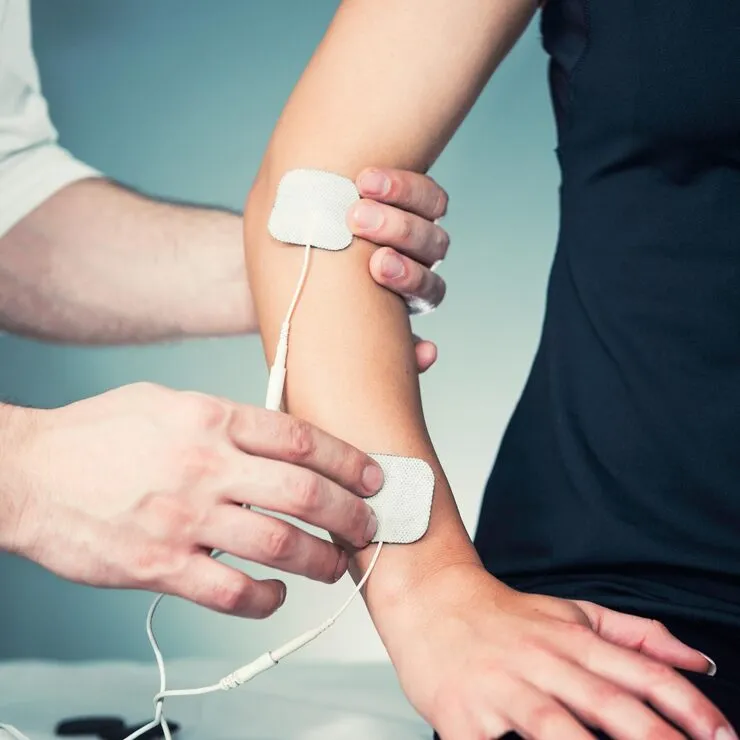
Circulation & Infection Assessment
How We Approach Diabetic Wound Care in Lexington
Your foot ulcer needs care that addresses the wound and the problems that may be keeping it from healing. We assess your infected foot condition and decide whether circulation testing, additional care, or home visits are suitable.
Diabetic foot ulcers are often graded by depth and by signs of infection or reduced blood flow, and the stage helps guide treatment.
Examine the Ulcer
We check the sore's size, depth, drainage (exudate), and surrounding skin to understand its condition.
Check for Related Problems
We look for signs of infection, pressure, or blood flow concerns that may affect healing.
Choose a Care Plan
Dr. Athar determines which wound care options may be suitable, including further testing.
Review Your Progress
We adjust your care when needed and provide instructions to protect your foot between visits.

Protecting Your Feet During Ulcer Treatment
A foot ulcer needs attention even if it does not hurt. Check your feet and follow your wound care instructions. Depending on the ulcer, treatment may also include skin substitutes to help support wound management.
- Look for sores, numbness, swelling, or changes in skin color
- Follow your care team's advice about walking or footwear
- Change your dressing as directed, and do not cut away dead skin yourself.
- Follow your diabetes care plan and seek help managing high blood sugar.
Schedule Diabetic Foot Ulcer Treatment in Lexington
Do not wait for a foot sore to get worse. Call our Lexington clinic to schedule an evaluation with Dr. Athar.
Frequently Asked Questions
What areas does Rapid Recovery Wound Care, PLLC serve?
In addition to our Lexington-based clinic, we offer home visits in Nicholasville, Georgetown, Winchester, Versailles, Richmond, Frankfort, Danville, Berea, Mount Sterling, and Paris for patients whose diabetic wound care can be safely provided at home.
When should I see a doctor for a diabetic foot ulcer?
See a doctor for a diabetic foot ulcer if you notice an open sore on your foot. Contact our clinic to schedule an evaluation. Seek urgent care if you have spreading redness, worsening swelling, pus, blackened skin, or fever.
Can a diabetic foot ulcer heal without treatment?
Some small wounds may improve, but diabetic foot ulcers can worsen without proper care. A healthcare provider can assess the wound and identify problems that may delay healing.
What type of dressing is best for a diabetic foot ulcer?
The best dressing depends on the wound’s depth, exudate, and the condition of the surrounding skin. Dr. Athar can assess the ulcer and recommend a suitable dressing.
Why does my diabetic foot wound keep coming back?
Repeated pressure, poorly fitting shoes, nerve damage, and poor circulation can cause an ulcer to return. Treatment may need follow-up care to address these problems as well as the wound itself.
Can poor circulation delay healing?
Yes. Reduced blood flow can limit the oxygen and nutrients reaching the wound. Dr. Athar may recommend an ankle-brachial index test or further assessment if circulation is a concern.