Wound Debridement in Lexington, KY
Addressing Dead Tissue in Slow-Healing Wounds


What May Be Preventing Your Wound From Healing?
A wound may stop improving when necrotic (dead) tissue, thick drainage, slough, or eschar covers its surface, or when biofilm, a layer of bacteria, builds up on it. This can happen with diabetic foot ulcers, pressure sores, venous leg ulcers, and surgical wounds. The wound may look clean at first, but damaged tissue can still slow progress and increase infection risk.
At Rapid Recovery Wound Care, PLLC, we first perform wound evaluation and check its condition before deciding whether debridement is appropriate. Removing dead tissue can create a cleaner wound bed, make the wound easier to assess, and support healthy tissue growth.
Understanding Your Wound Debridement Options
If your wound is not improving, you may wonder which treatment is right for you. The type of debridement depends on the wound’s condition, location, and the amount of damaged tissue. If you are looking for a wound debridement specialist in Lexington, KY, Dr. Athar examines your wound to determine the appropriate approach.
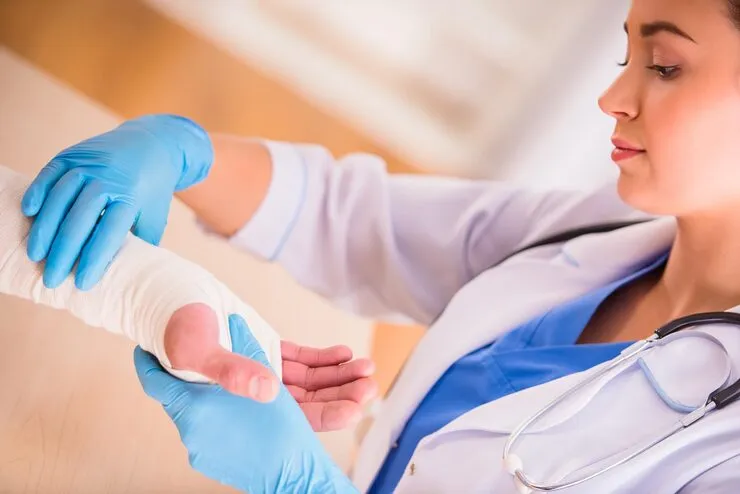
Surgical Wound Debridement

Enzymatic Wound Debridement
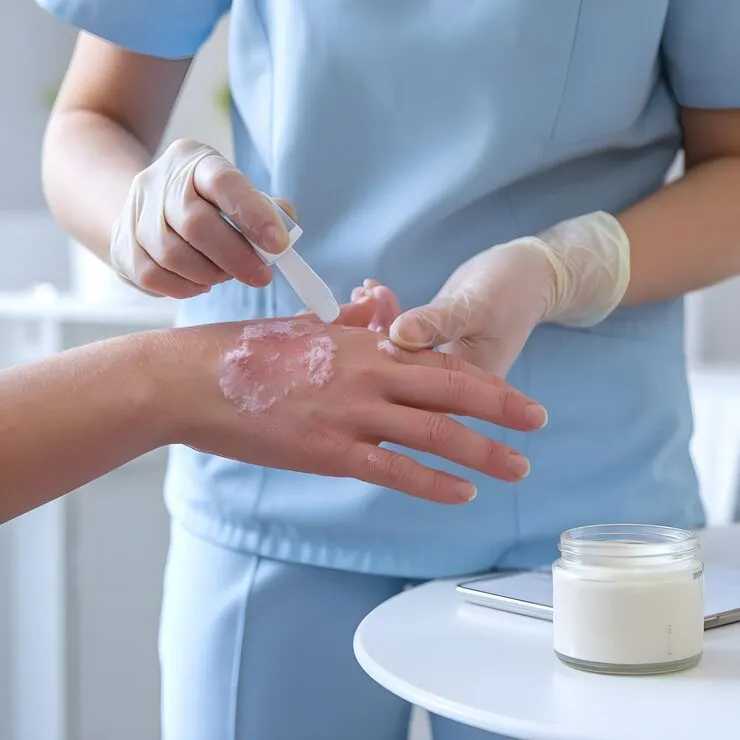
Slough Wound Debridement
Debridement for Sacral Wounds
How to Care for Your Wound After Debridement
After debridement, our wound care specialist recommends a suitable dressing and ways to protect the wound from pressure. Care instructions depend on your wound and the treatment we provide. Visits often occur every 1 to 2 weeks, but complex wounds may need more frequent checks.
Keep the Dressing in Place
Leave your dressing in place until your care team tells you when to change it.
Keep the Wound Clean and Dry
Follow care instructions, wash your hands before touching it, and keep it dry.
Protect the Wound From Pressure
Use prescribed footwear or other offloading devices to reduce pressure on the affected area.
Take Medicines as Directed
Continue your prescribed medicines. Contact your provider before changing medicine.
When Wound Debridement May Not Be Suitable
Not every wound is ready for debridement. If you have a dry, dark area on your heel, or poor circulation, removing tissue without a careful assessment may cause problems. We review your wound and health history to decide whether debridement or testing is appropriate.
Contact our wound care clinic if you notice:
- Redness or warmth spreads around the wound.
- Pain or swelling that keeps getting worse.
- A bad smell or thick yellow or green drainage.
- Fever above 100.4°F (38°C) or chills.
If circulation concerns mean debridement should wait, Dr. Athar may recommend an ankle-brachial index test or referral to a vascular specialist.
Schedule Wound Debridement in Lexington
Our clinic is located at 1224 Barleys Pass near Marriott Lexington Golf Resort & Spa. We also offer home visits for eligible homebound patients in Lexington and nearby towns.
Frequently Asked Questions
Do you offer wound debridement at home?
Home debridement may be an option for eligible homebound patients when the wound can be treated safely at home. Some wounds need a clinic visit first. Our service area includes Nicholasville, Georgetown, Richmond, Versailles, Frankfort, Danville, Berea, and Paris. Contact our team to confirm availability.
How do I know if my wound needs debridement?
Signs can include dead or black tissue, yellow or white slough on the surface, thick drainage, a wound that has stopped improving, or a bad smell. Dr. Athar evaluates the wound before deciding.
Is wound debridement safe for everyone?
No. Some wounds need a closer assessment before treatment, especially if blood flow is poor. In those cases, we may first perform an ankle brachial test (ABI) or focus on specialized diabetic foot care rather than removing tissue immediately.
Does wound debridement hurt?
You may feel discomfort during or after debridement, depending on the wound and how much tissue is removed. Your provider can discuss ways to manage discomfort before the procedure.
How often will I need wound debridement?
The schedule depends on your wound, how it changes, and how much dead tissue is present. Visits may be every one to two weeks, while complex wounds may need more frequent care.
Does insurance cover wound debridement at Rapid Recovery Wound Care?
We accept Medicare, Medicaid, Anthem, Aetna, Humana, Passport by Molina, CareSource, WellCare, and Signature. Coverage for wound debridement depends on your plan and medical necessity, so contact our office to confirm your benefits.