Patient Education on Wound Prevention in Lexington, KY
Practical Guidance to Help Prevent Wounds

Why Wound Prevention Matters
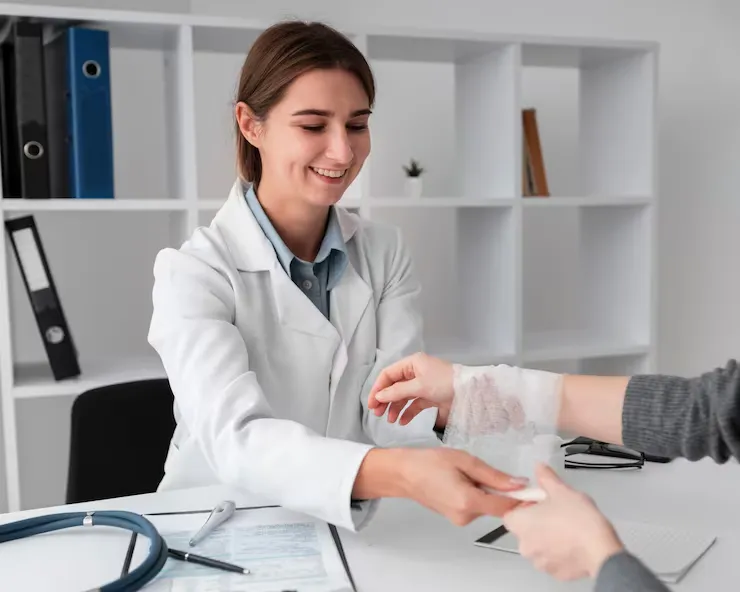
A small blister, sore, or patch of damaged skin can become a bigger problem if you have diabetes, poor circulation, or difficulty moving. Nerve damage may also make it harder to notice foot injuries, which can lead to diabetic foot wounds and ulcers.
Staying in one position for too long can cause pressure sores on your heels, hips, or tailbone. Moisture from sweat or incontinence can also damage your skin. If you notice a change in your skin, our wound evaluation services can help identify the problem and determine what care you may need.
How to Protect Your Skin and Prevent Wounds
Patients and family caregivers may be unsure how to protect the skin or change a wound dressing. Dr. Mohammed Athar provides wound care education in Lexington to help you recognize warning signs, prevent skin damage, and know when to seek medical care.
Prevent Pressure Sores
Protect Diabetic Feet
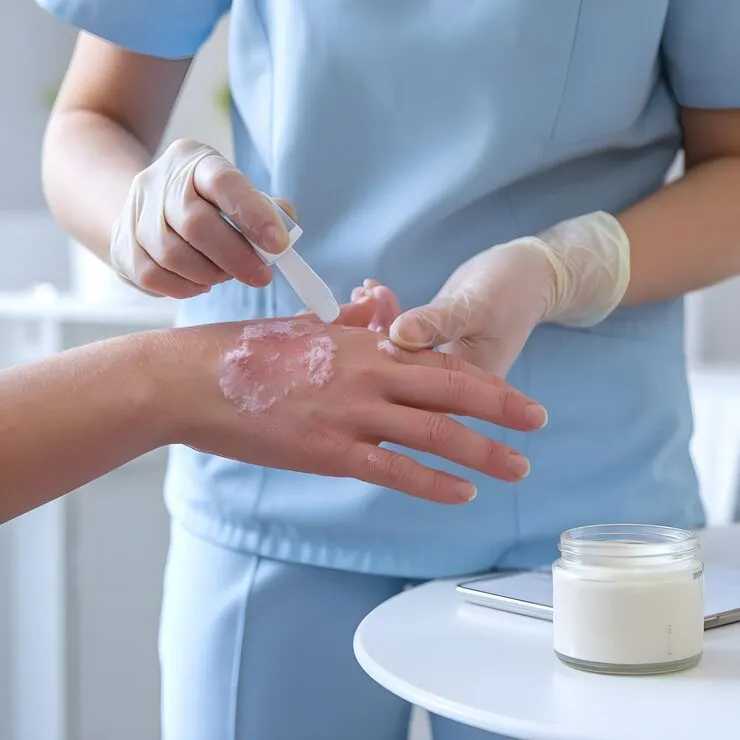
Care for Wounds at Home
Know When to Seek Care
Simple Steps to Protect Your Skin Every Day
You do not need to wait until a sore develops to start caring for your skin. Small daily habits can help you notice changes early and reduce common risks.
- Tell your wound care doctor about new sores or skin changes.
- Check your feet and skin every day.
- Keep skin clean and dry after sweating or incontinence.
- Wear footwear that fits well and protects your feet.
- Avoid picking at scabs or cutting away dead skin yourself.
- Follow your diabetes care plan and ask for help managing your blood sugar.

Wound Prevention Education at Our Clinic or Your Home
Our Lexington-based wound care clinic serves patients from Nicholasville, Georgetown, Winchester, Versailles, Richmond, Frankfort, Danville, Berea, Mount Sterling, and Paris, KY. Eligible homebound patients may also receive education during home visits.
Whether you need help understanding how to protect your skin or a caregiver needs guidance with daily wound care, we can discuss your needs and determine appropriate wound care support.
Learn How to Protect Your Skin
Get patient education on wound prevention in Lexington, including skin checks, pressure relief, and safe dressing care. Call our clinic to schedule a visit.
Frequently Asked Questions
How do I dress a wound at home?
Wash your hands, gently remove the old dressing, look for signs of infection, and apply the new dressing exactly as your care team instructed. Place used dressings in a sealed bag, and never reuse them. If you are unsure, ask us to show you.
How can I prevent pressure sores at home?
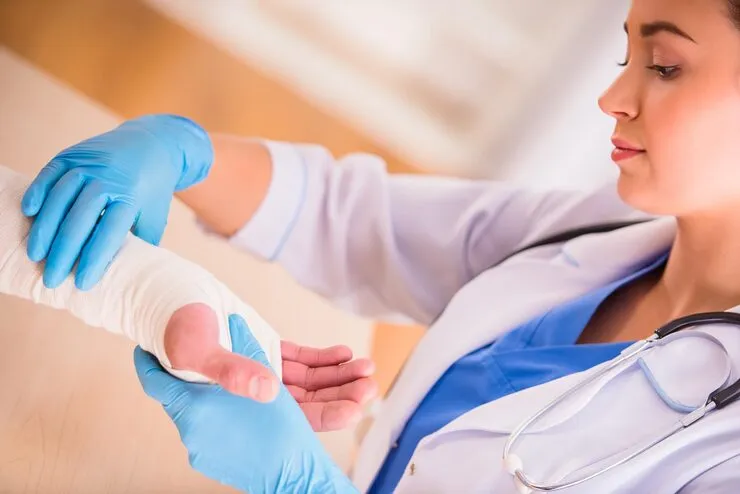
Change position as advised by our wound care specialist, protect areas such as your heels and tailbone, and check your skin regularly. If you spend most of the day in bed or a chair, ask whether you need a pressure-relieving cushion or mattress.
What are the early signs of a pressure injury (pressure ulcer)?
Look for warmth, swelling, tenderness, or areas that feel different from the surrounding skin. On darker skin, redness may be harder to see, so watch for changes in temperature, texture, and firmness. These checks also help prevent pressure ulcers.
What are the signs and symptoms of a wound infection?
Warning signs include spreading redness, swelling, pus, a bad smell, or worsening pain. Fever and chills may also occur. Contact our wound care clinic in Lexington if you have concerns about a wound. Seek urgent medical care if symptoms are severe or getting worse quickly
How often should I check my skin for wounds?
If you are at higher risk because of diabetes, reduced movement, or reduced feeling, check your skin every day. Pay particular attention to your feet and areas that remain against a bed, chair, or medical device.